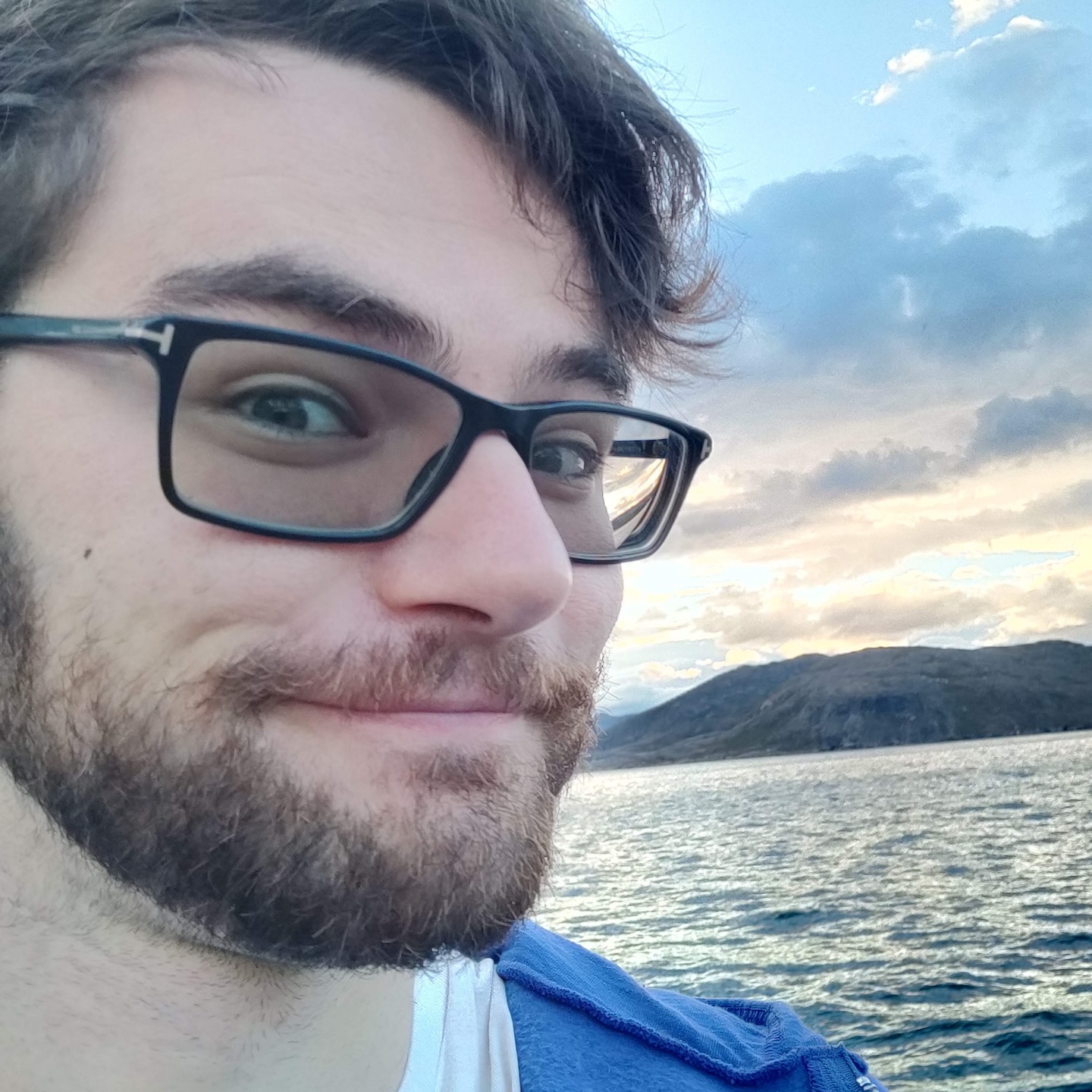
RVTEC 2024
Whew, it’s been longer than intended to make a second post.
It feels like whenever something comes to mind, it turns into hours of pondering and before I know it my “quick” post turns into a project in and of itself. In keeping it simple, I’ll just post a few recent photos.
Yesterday marked the conclusion of RVTEC’s annual conference at the University of New Hampshire. What a fun experience for a first-time in-person attendee! Not only was New England beautiful (it is the fall) but the content of the talks was well-organized and it was so much fun to learn about the Academic Research Fleet (ARF). I’ve attended once in 2022 remotely, though all I did was present an icebreaker slide. This time, I got to do so much more.
“My” Itinerary:
- Monday - Cybersecurity (I skipped this, flying in at 2230 EST)
- Tuesday - Research vessel news and high-high level admin (NSF, ONR, NOAA, USAP)
- Wednesday - Best practices
- Thursday - Equipment pools and services (and a UNH tour!)
- Friday - Ocean Data Tools
It was so cool to meet new people, shake hands of people that previously were only Zoom panels, and meet up with people I’ve met at one point in my oceanographic career. The atmosphere of this conference was laid back and relaxed, but also proactive and instructive. There are so many young or emerging scientists and technicians dealing with the baggage of a previous generation that it was easy to find common ground. “Person X is retiring and they don’t write things down” kind of vibes. It’s nice to see many other institutions are prioritizing documentation and education.
As Adam Savage said, “the only difference between screwing around and science is writing it down”.
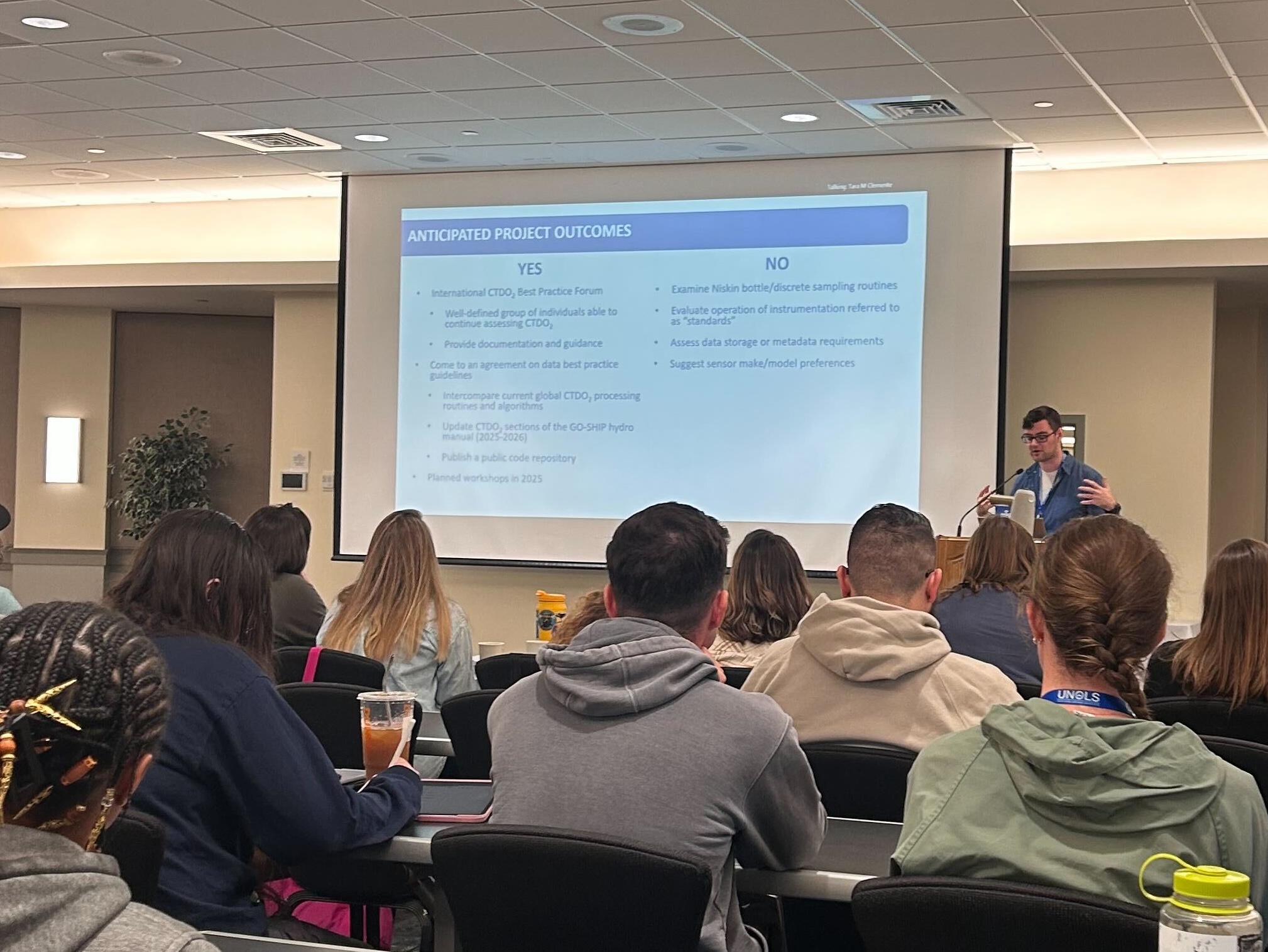
Plus, I was able to present on a project for IAPSO. It led to a lot of interest (though it was mostly in private) regarding how CTD data is collected and processed. There are so many different operations within just the ARF and this conference exposed me to the technology and groups that I’d otherwise have never found. I took plenty of notes - such that I’ve written and rewritten a task list for my return to SIO - which may be a hinderance to my coworkers. I’m filled with optimism and have numerous ideas for projects… but we still have to see out the work that is already in progress as of late 2024.
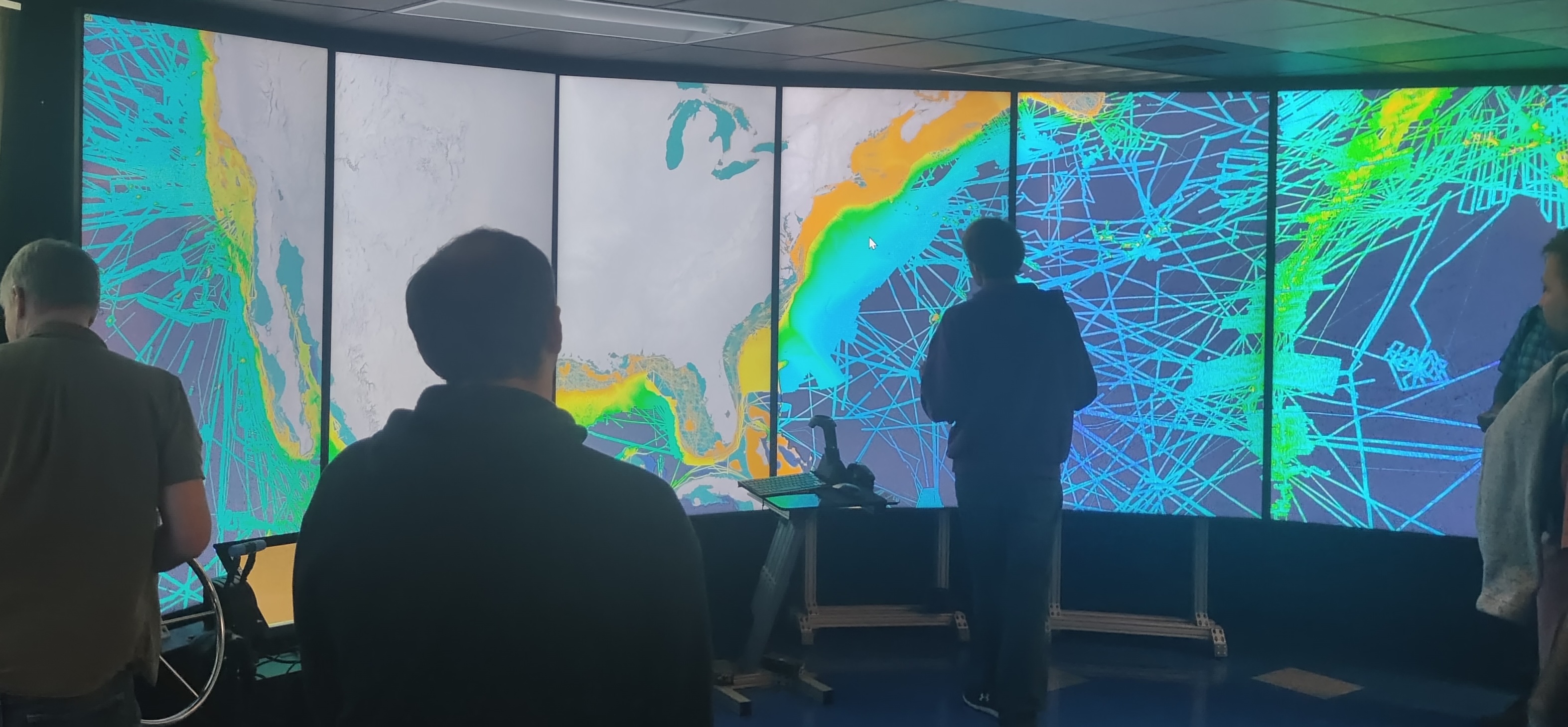
It’s my understanding that UNH has wanted to host RVTEC for a number of years. UNH itself is a smaller R1 institution and the oceanographic equipment they have is much more limited than a big UNOLS institution. What they are doing with their resources, however, is still incredibly impressive. I was especially impressed by their data visualization projects and their hardware shops, reminding me of the University of Washington’s Ocean Tech program in a number of ways. These projects are smaller in size or scale, but could possibly be adopted by something big. Like oceanographic “startups” that are ironing out the kinks before they make it big.
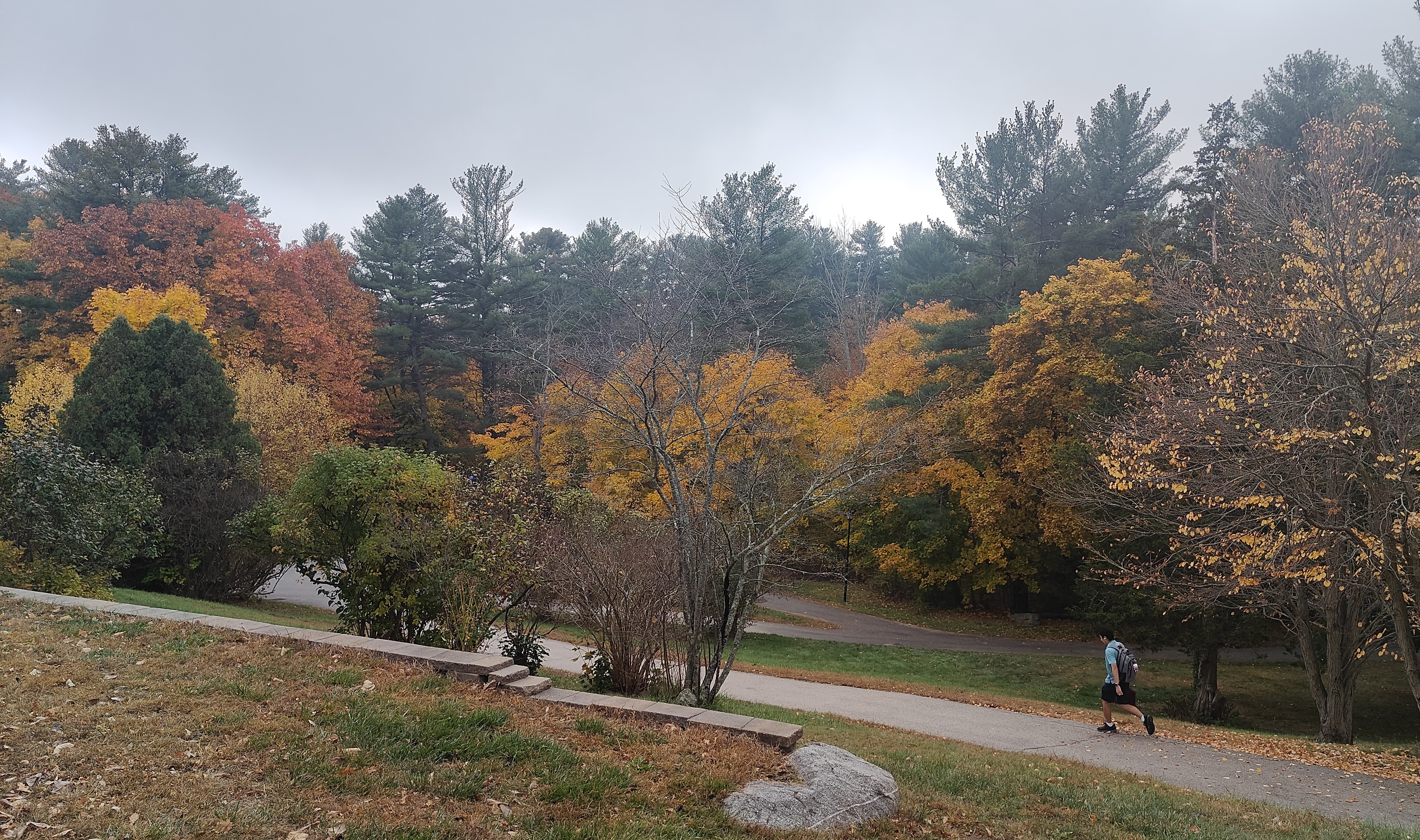
The campus was also gorgeous. The fall leaves are a few weeks from completely fallen and it was hinted that a single big storm was all it would take to knock them down. However, it was warmer than usual in the Northeast which almost made me think it wasn’t fall at all. If ENSO conditions are accurate, then this is my first major experience with El Niño conditions this year. San Diego vacillates between warm, desert conditions and a grey marine layer. South Carolina was worse. Weird to think that it’s been 6 years since I lived somewhere with 4 defined seasons, even if 3 of them were overcast. Regardless, the weather and imagery in New Hampshire were sublime. As was the food - I had as much lobster as I could get! Eventually, I’ll return to the Northeast to see Acadia National Park and the lobster may be even better there. But for now, I’ve hit my annual lobster quota and I’m ready to go home to a good fish burrito.